
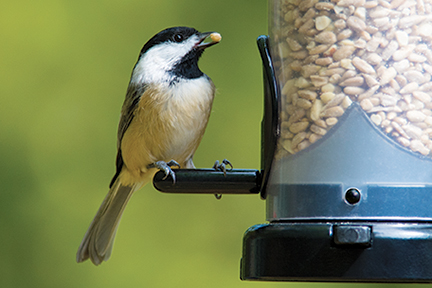
Do You Have a New Feeder?
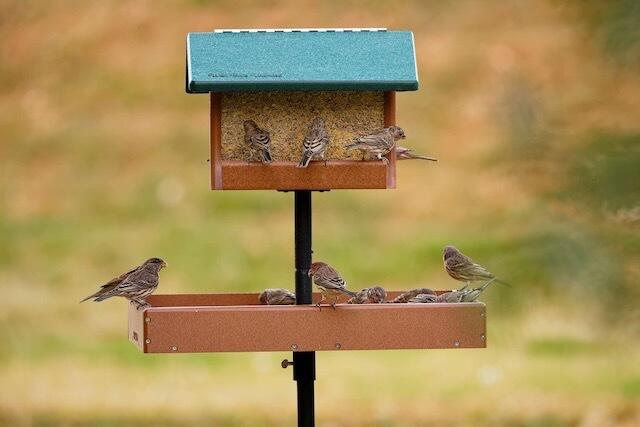
If You Have purchased a New Feeder or Received One as a Gift,
Follow Our Tips to Set It Up For Success:
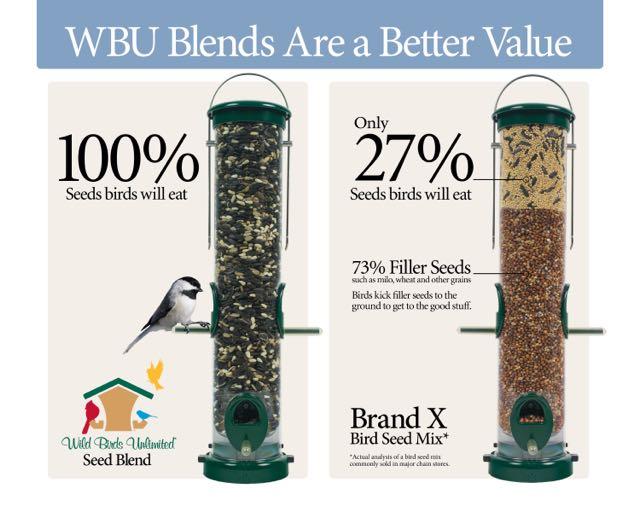 • Fill it with the right bird food. Not all food is created equal and the wrong food in a feeder (or even good food in the wrong feeder) won't attract many birds. If a well-meaning gift giver picked up a bag of seed from a discount store, it may not contain much actual bird food at all, but filler grains instead. Take a look at our seed education page, or better yet, come see us and we'll help you find the right seed for the feeder. Bring the feeder with you or take a photo so we know what model you have.
• Have patience. This is one of the biggest challenges that can cause frustration. Birds may find a feeder in just a day or two, but on average, it takes about 2-4 weeks for birds to find and begin using a feeder regularly, but seasons and weather can affect this. For example, in autumn, an abundance of natural foods can add time for a feeder to be noticed, or unseasonably warm weather in winter may add additional time since birds aren't quite as "needy".
• Factor in feeder style. This is another patience matter. All-purpose feeders, similar to the one pictured above, will have quickest acceptance since the food is easily visible and there is lots of space for birds to land on. Specialty feeders, such as suet, finch, compressed seed logs/blocks, or window mount models with take longer because birds may not be as familiar with them and will have to figure out how they work. Once they do, activity should become steady.
• Only fill seed feeders partway. Because we want to make sure the seed is fresh when the birds do discover the feeder, only put a little bit of food in it to start with. That way, if the birds don't find the feeder in about two weeks, you can dump out stale seed and put fresh in without wasting a whole feeder full. Repeat as needed until the birds get going. Of course, if rain or snow damages seed, you may need to change it sooner than that.
• Location matters. Given time, many feeders can work in many locations, but placing feeders where they are easily visible to birds simply allows them to be found more quickly. For example, if all the trees are in your back yard, a feeder installed in the treeless front yard will simply take longer for birds to notice. Generally, a feeder pole placed 10-15 feet from trees will have highest visibility.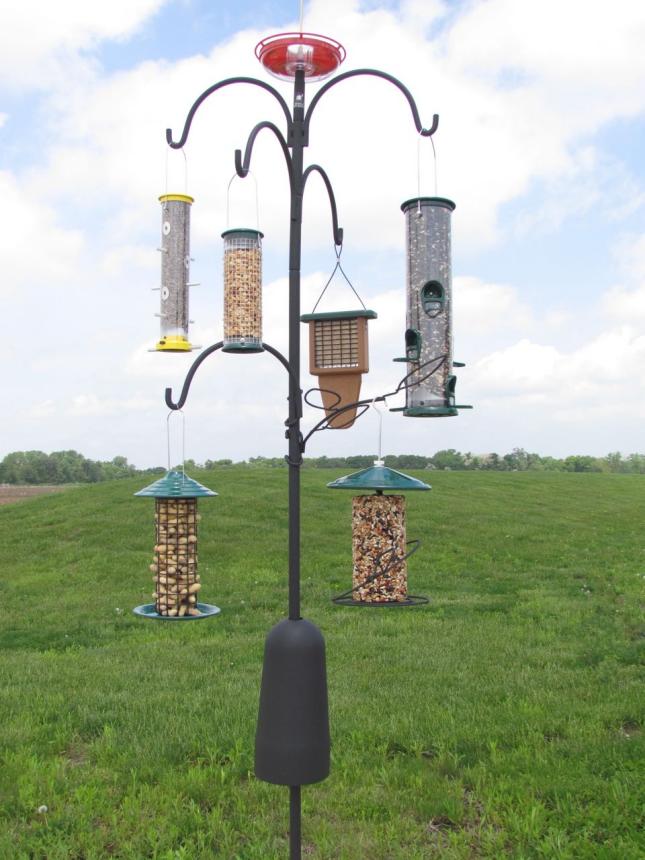 • Appropriate feeder for habitat. People who live in woodsy areas or in older residential neighborhoods with plenty of trees that are more than 20 years old should welcome many species of birds.
However, if you happen to live in a newer subdivision or in open farmland, far from trees of any significant size, some feeders will definitely work better than others. All-purpose seed feeders or finch feeders will be fine, given extra time for birds to find them. However, some feeders, like suet feeders or nut feeders that are really geared towards bird species that love trees, may never be terribly successful. That said, there are a lot of variables at play, so come talk to us about your situation. If you received such a feeder and we help you determine it just isn't a food fit, you might wish to exchange it for a more appropriate model, assuming the feeder/food are unused and in new condition.
At Wild Birds Unlimited, our goal is to help you enjoy the birds at your feeders. Stop by any time to ask for advice on making your hobby as successful as possible.
If you have existing feeders but have lost your birds, see our Why Aren't My Birds Eating page.